
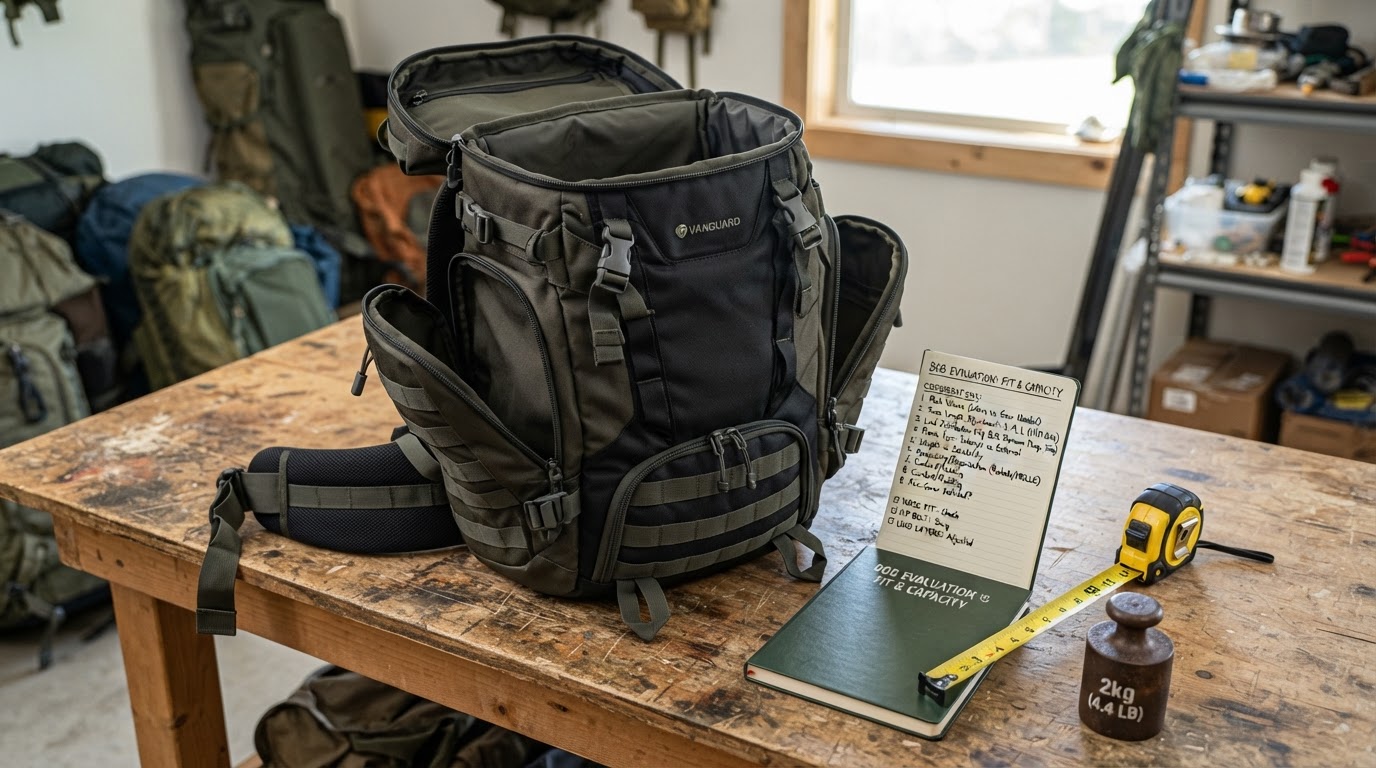
Best Bug Out Bag
Best Bug Out Bag: How to Evaluate the Backpack Itself
The best bug out bag is the backpack that fits you, holds your supplies, and survives rough use. This guide explains how to evaluate a bug out bag backpack for fit, durability, organization, and weather resistance.
Quick Answer
The best bug out bag is a backpack that fits the carrier comfortably, holds three days of supplies, organizes gear for quick access, and resists water and abrasion. Look for an internal frame, padded hip belt, durable fabric, and enough compartments to separate essentials. Fit and comfort matter more than brand or military styling.
Key Takeaways
- •Fit and comfort matter more than brand or tactical styling.
- •An internal frame and padded hip belt distribute weight well.
- •Choose durable, water-resistant fabric and zippers.
- •Enough compartments keep essentials accessible without overpacking.
What to Look For in a Bug Out Bag
Evaluate these features before buying.
- •Capacity: 40 to 55 liters suits most three-day kits.
- •Internal frame with a padded hip belt to carry weight on the hips.
- •Durable fabric, such as 500D or 1000D nylon, with reinforced stitching.
- •Water-resistant material and a rain cover.
- •Multiple compartments for organization and quick access.
- •Padded, ventilated shoulder straps and back panel.
- •Compression straps to stabilize the load.
Fit Is the Most Important Factor
A bag that does not fit will hurt to carry, no matter how well made. Torso length, not overall height, determines fit. Measure from your shoulder to the top of your hip and match it to the bag's size range. Try the bag loaded, not empty, because an empty bag fits everyone.
The hip belt should carry most of the weight on your hips, not your shoulders. Adjust the shoulder straps, load lifters, and sternum strap so the bag moves with you. A poorly fitted bag causes back and shoulder pain within a mile.
Durability and Weather Resistance
A bug out bag may be dragged, rained on, and abused. Look for reinforced stitching at stress points, durable zippers, and abrasion-resistant fabric. Water-resistant material helps, and a rain cover adds protection in heavy weather.
Avoid bags that look tough but use thin fabric or weak zippers. The best bug out bag survives real use, not just a store display.
Organization Without Overpacking
Compartments help you find gear fast, but too many pockets add weight and complexity. Look for a main compartment for bulk, a few external pockets for quick access to light, first aid, and water, and a document pocket.
The best bag holds what you need and nothing more. A larger bag tempts you to overpack, which makes the bag too heavy to carry. Match the bag size to your actual kit.
Bug Out Bag Feature Checklist
| Feature | What to check |
|---|---|
| Capacity | 40-55 liters for a 3-day kit |
| Frame | Internal frame for support |
| Hip belt | Padded, carries weight on hips |
| Fabric | 500D+ nylon, reinforced stitching |
| Weather | Water-resistant + rain cover |
| Compartments | Main + a few external pockets |
| Fit | Matched to torso length |
Frequently Asked Questions
What size bug out bag do I need?
For a three-day kit, 40 to 55 liters suits most people. Larger bags hold more but get heavy. Match the bag to your actual supplies, not an imagined worst case.
Do I need a tactical or military-style bag?
No. Tactical styling does not guarantee quality. A well-made hiking backpack often fits better and is more comfortable than a military-style bag.
How do I know a bug out bag fits?
Measure your torso length and match it to the bag's size range. Try the bag loaded with weight, and check that the hip belt carries the load on your hips, not your shoulders.
Are expensive bug out bags worth it?
Quality matters, but the most expensive bag is not always best. Prioritize fit, durable fabric, and a good hip belt over brand or price.