New to prepping?
Start with what you have. Prepare for what comes next.
Getting prepared starts with a few practical steps. Take stock of what you already own, think about the emergencies most likely to affect your household, and fill the most important gaps first.
Your first essentials are listed below.
Your First Steps
Start with what's likely.
Think about a power outage, a water interruption, or the storms common in your area.
Check what you already have.
Gather useful supplies in one easy-to-find place. You may own more than you think.
Build a three-day starting supply.
Begin with essentials for everyone in your home, then expand as your budget and space allow.
Make a simple household contact plan, and account for medications, medical equipment, children, and pets.
Start with These 10 Essentials
Cover these basics first. Use what you already own, and add what's missing.
1. Emergency Water Storage
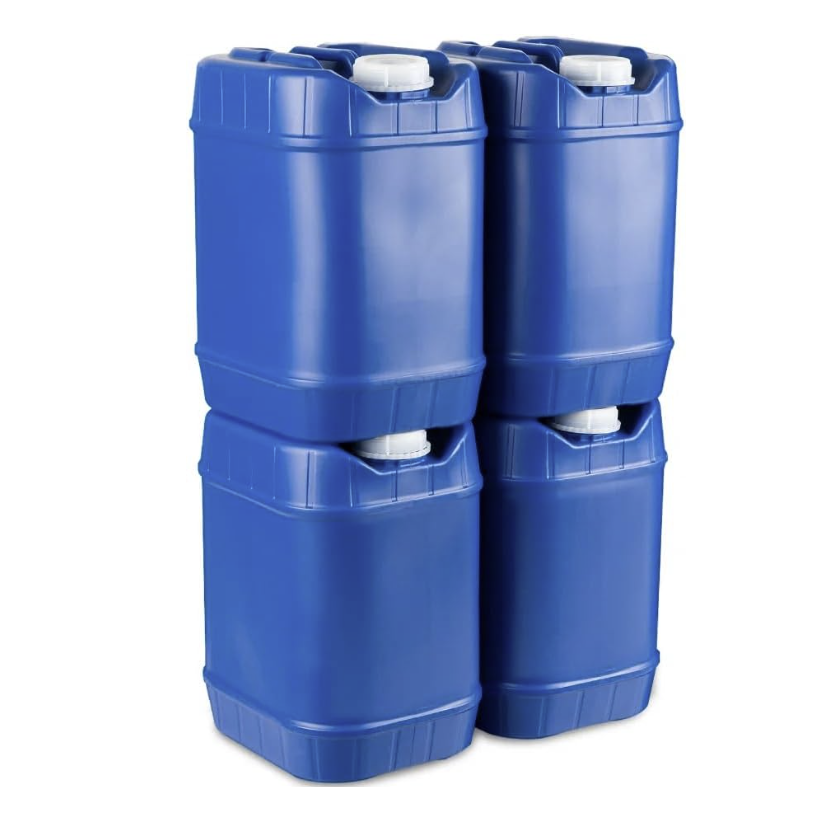
Start with stored drinking water — it is the single most important prep you can make. Keep at least one gallon per person per day for drinking and basic sanitation, and plan for three days as a starting point. Food-grade water containers offer a practical, reusable purchase you can fill from your own tap. Add extra for pets, heat, and individual needs, and store containers in a cool, dark spot away from direct sunlight and household chemicals.
5-Gallon Stackable Water Storage Containers, Emergency Water Storage for Camping and Disaster Preparedness, 20 Gallons
2. Emergency Food Supply
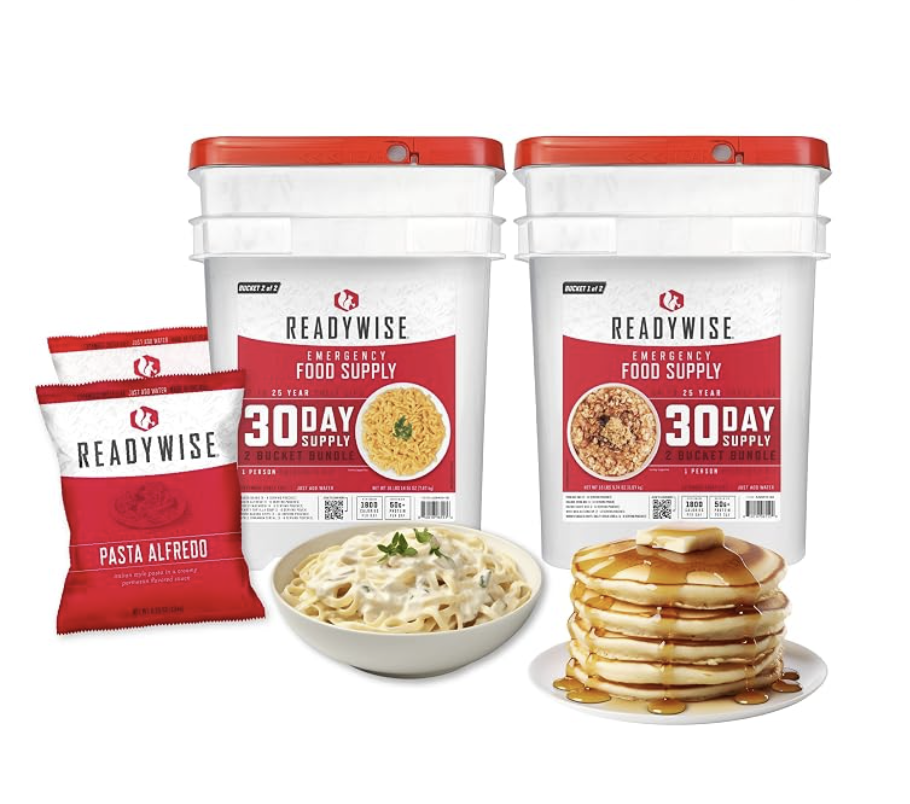
A short shelf of familiar, shelf-stable food covers you when grocery runs are interrupted or the power goes out and the fridge stops. Keep at least three days of food your household will actually eat — canned goods, dry staples, and ready-to-eat items that need little or no cooking. Include a manual can opener if your cans need one, and rotate items into your regular meals so nothing expires unnoticed. Add a little extra for guests, longer outages, or a household illness that keeps everyone home.
3. LED Lantern and Headlamp Kit
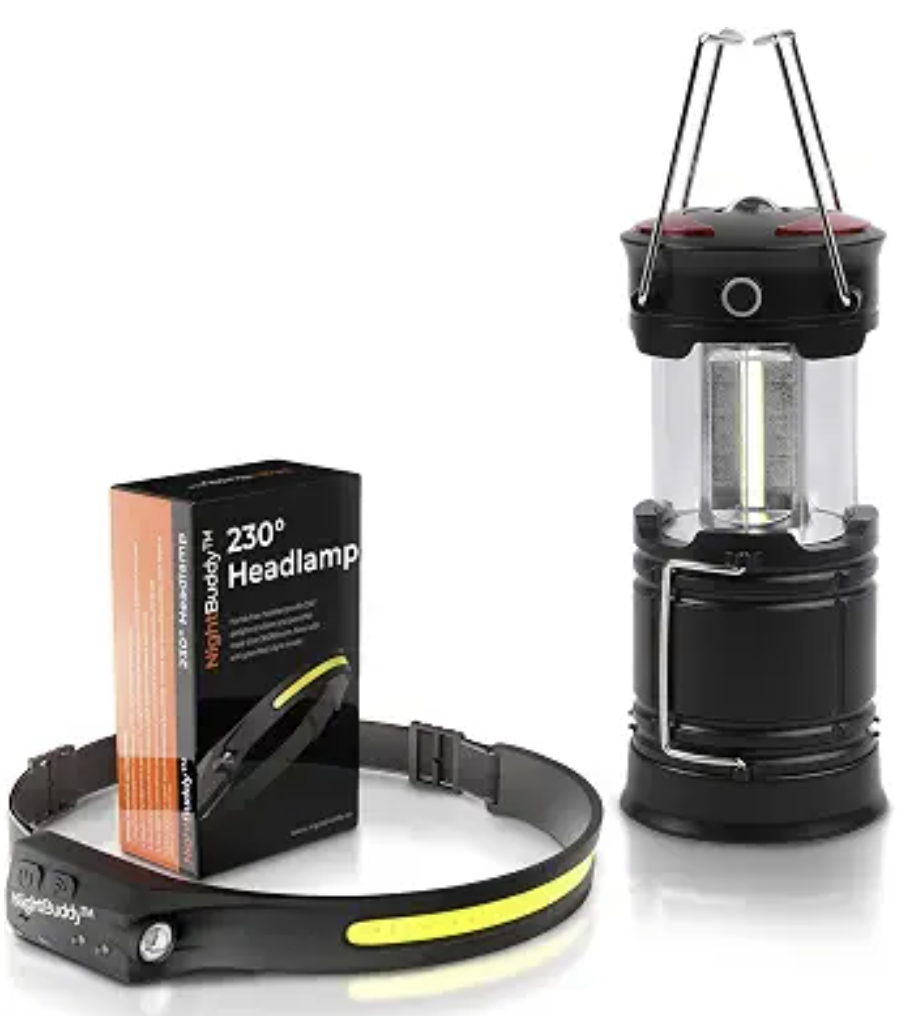
When the power cuts out, reliable light is the first thing you reach for. Keep a quality LED flashlight or lantern where you can find it in the dark, and store spare batteries right beside it. A headlamp gives you hands-free light for checking breakers, reading to kids, or moving through the house safely. Consider one light for each room you use after dark, and test them every few months so you know they work before you need them.
4. First Aid Kit
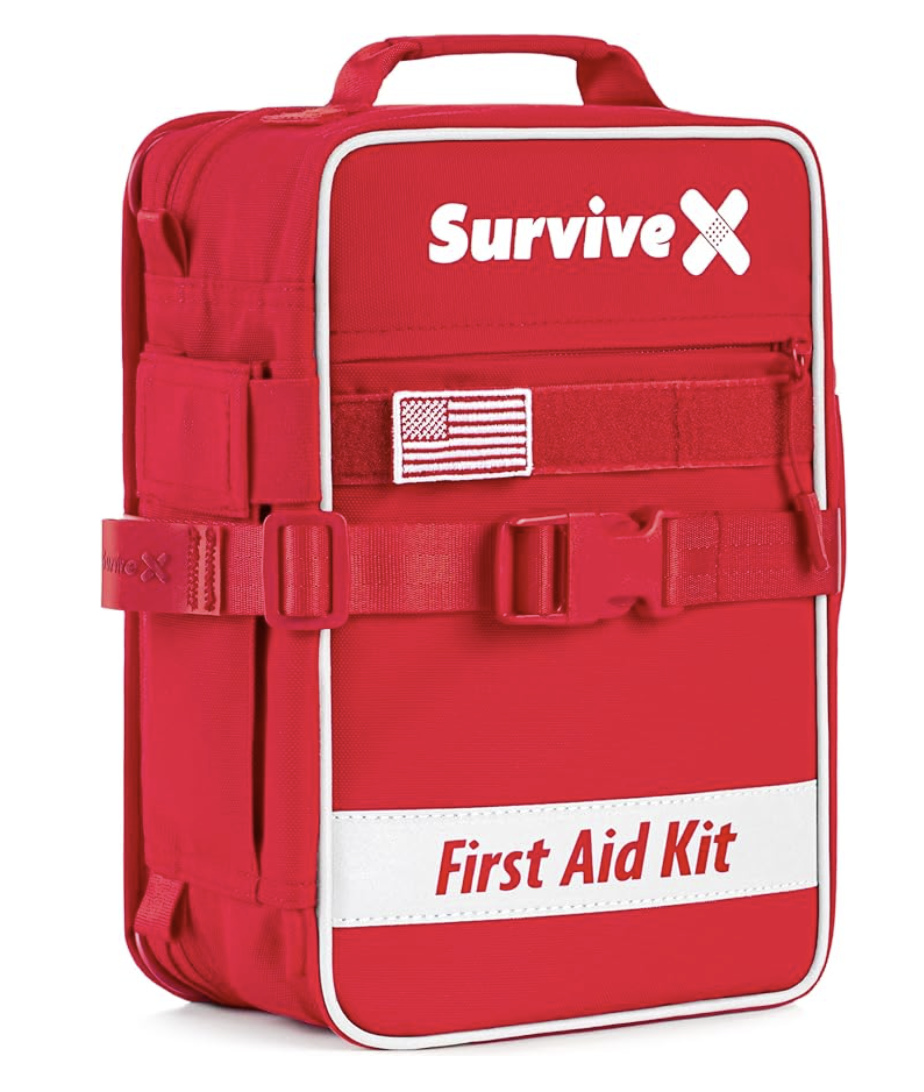
A well-stocked first aid kit handles the minor cuts, scrapes, and small injuries that come with everyday life and storms alike. Choose a kit with useful quantities of bandages, dressings, gloves, and antiseptic — quality and contents matter more than inflated piece counts. Keep it where everyone in the household can find it, check expiration dates a couple of times a year, and restock what you use. Plan prescription medicines and personal medical supplies separately, and keep a written list of what each person needs.
5. NOAA Emergency Weather Radio
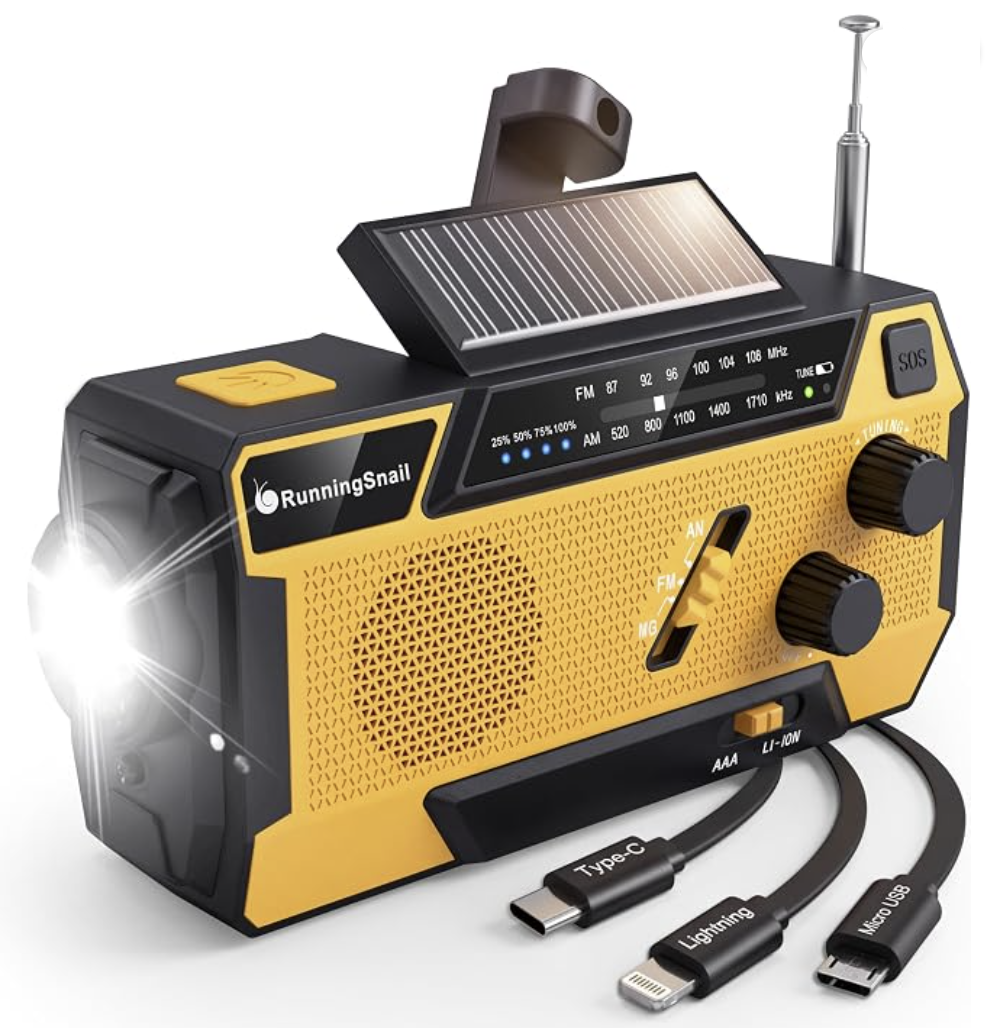
A battery-powered NOAA weather radio keeps you connected to local alerts and warnings when internet and cell service drop during a storm. Choose a model with tone alerts so you wake up when a warning is issued, and set it for your local area so you only hear what matters to you. Keep spare batteries on hand, and test it during calm weather so you know the controls before the pressure is on. Some models also charge a phone or double as a flashlight.
6. Portable Power Station
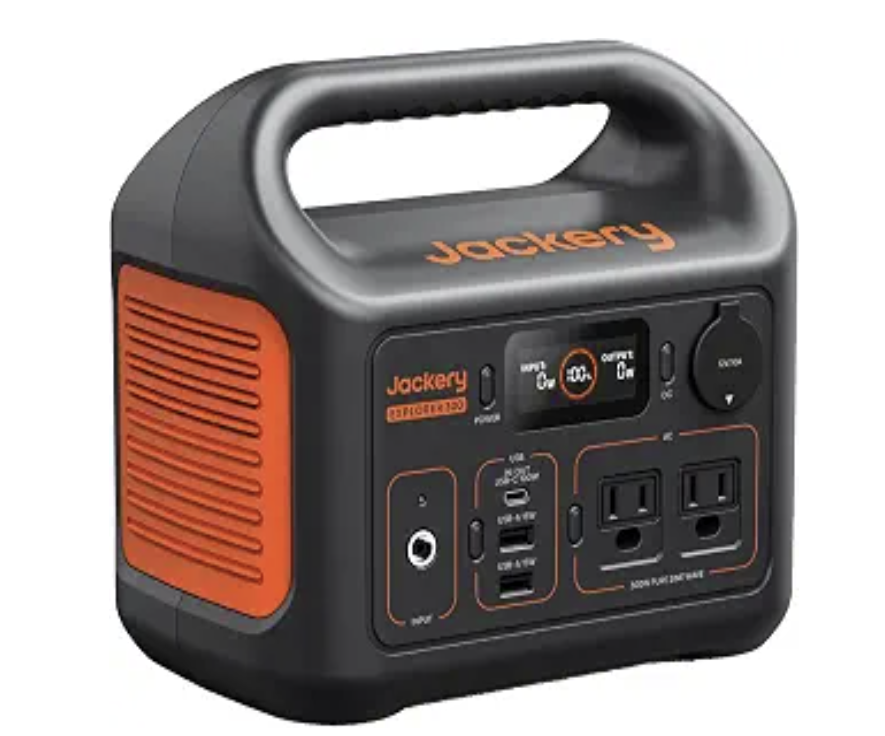
A rechargeable battery power station keeps phones, lights, and small medical devices running through a multi-hour or overnight outage without the noise, fuel, or exhaust of a generator. Size it around the devices you actually need to keep on — a phone, a CPAP machine, a router, or lighting — and the runtime you want. Many pair with solar panels for longer outages or off-grid use. Start with enough capacity for a comfortable night, and expand as your needs and budget grow.
7. Emergency Water Filter
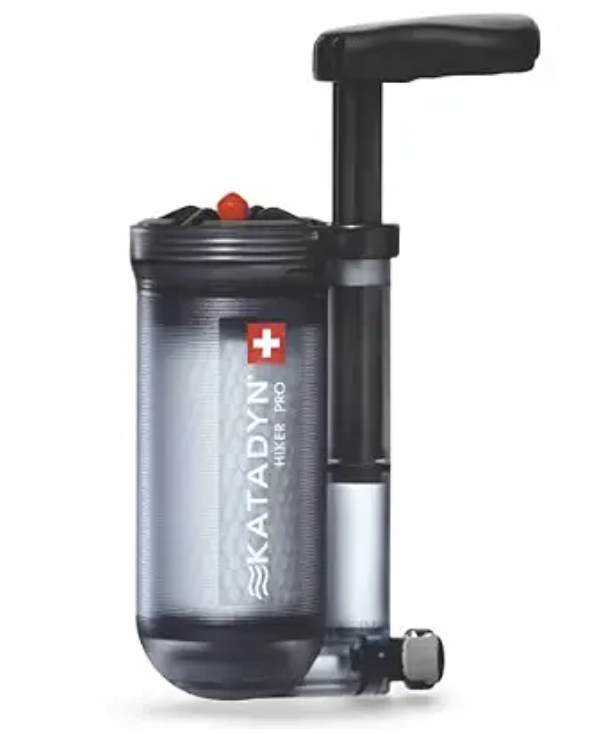
A water filter adds a backup when your stored water runs low or your usual supply is interrupted. Look for a gravity-fed or pump filter with clearly documented treatment capabilities — know exactly what it removes and what it does not. A filter extends your stored water but does not replace it, and no single household filter handles every possible contaminant. Boiling remains a reliable way to make water safer in many situations. Keep the instructions with the filter, and practice using it before you rely on it.
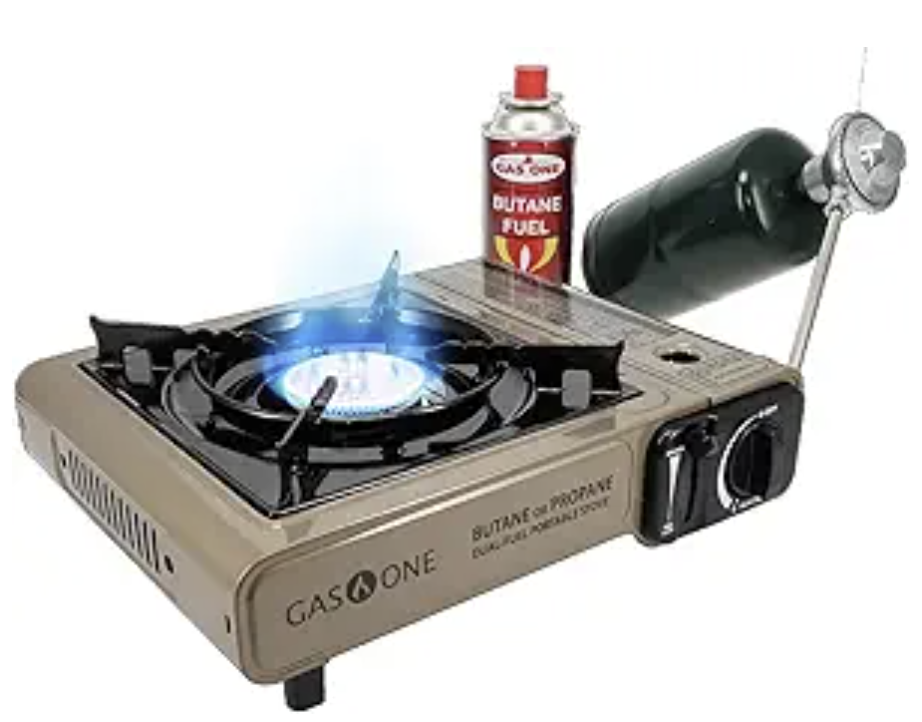
8. Portable Camping Stove
A stable portable stove lets you cook a hot meal or boil water during an extended outage, as long as you have a safe outdoor cooking spot. Choose a stove that is easy to set up and matches the fuel you can store properly — canister, liquid fuel, or a compatible alternative. Always use it outside, away from enclosed spaces, and never indoors where carbon monoxide can build up unseen. Keep a few basic cookware items and a lighter or matches with it, and store fuel safely away from heat sources.
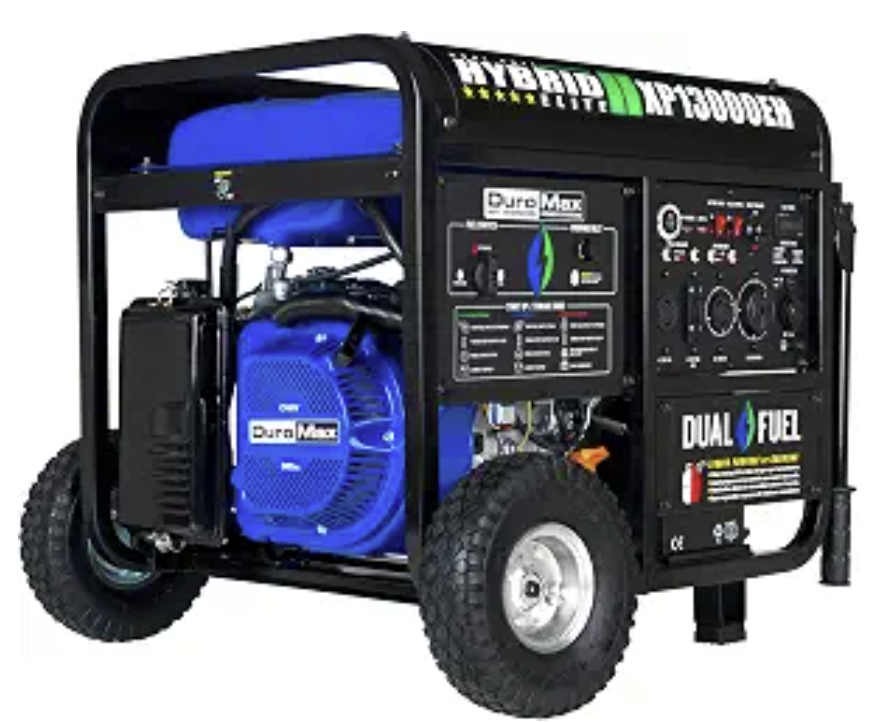
9. Portable Fuel Generator
A portable generator is a larger investment that can power essential appliances, a well pump, or a refrigerator through an extended outage — but only if you have the right outdoor space to run it safely. Size the generator for the devices you truly need, not your whole house, and never operate it inside, in a garage, or near doors and windows where exhaust can enter. A transfer switch or properly rated extension cords connect it safely. Store fuel according to local guidance, and run it occasionally so it works when you need it.
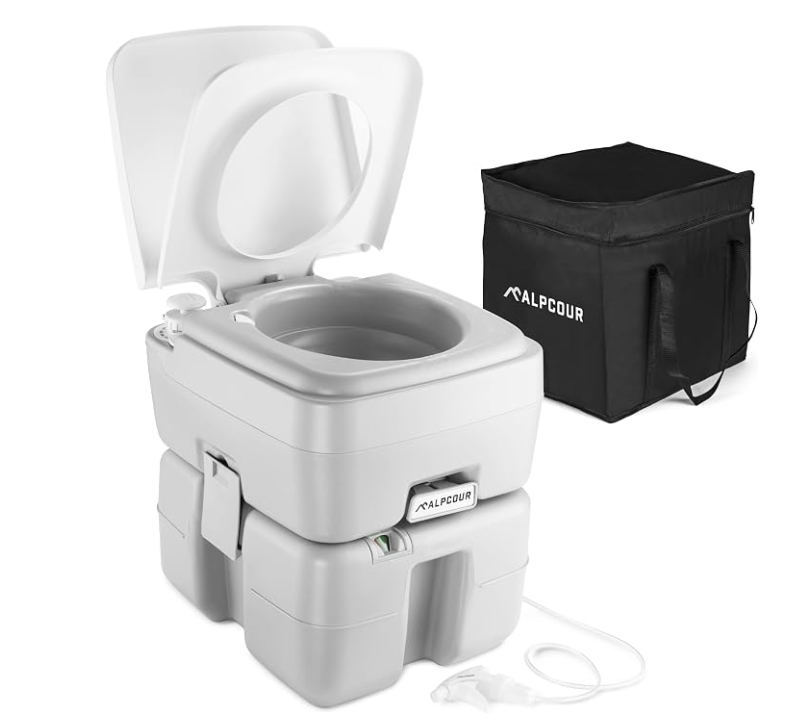
10. Emergency Sanitation Kit
When toilets or running water are disrupted, a simple sanitation kit keeps your household comfortable and hygienic. A portable toilet or bucket with compatible waste bags, absorbent material, and basic hygiene supplies like hand sanitizer and wipes cover the basics for a few days. Keep everything in one labeled container, and include garbage bags, toilet paper, and a disinfectant. Plan for the number of people in your home, and refresh supplies periodically so they are ready when you need them.