
Kits & Survival Kits
Find the right kit for your situation
Compare five practical kits — apartment, family, vehicle, pet, and evacuation — and build a personalized checklist for the disruptions you're most likely to face.
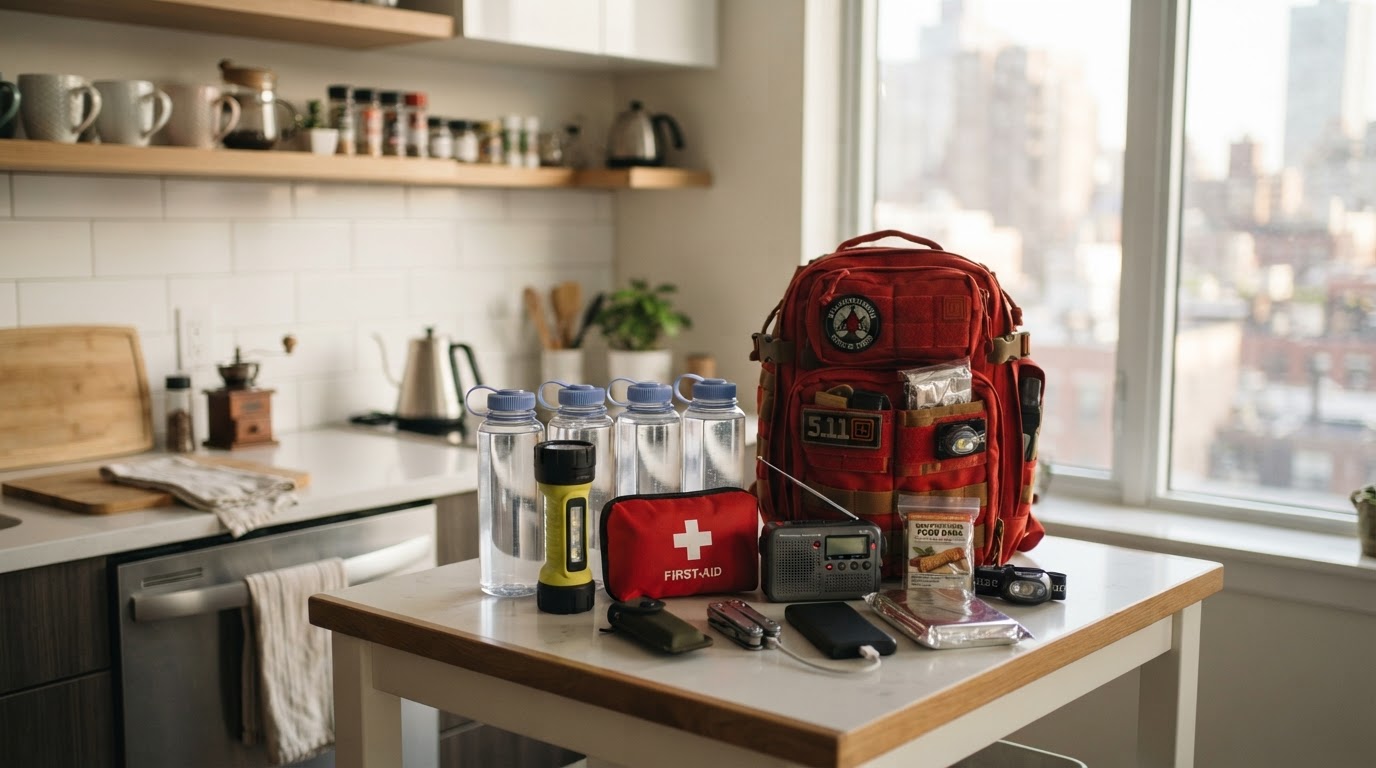
Apartment Kit
Start with what you own, fill the most important gaps, and create a checklist you can actually use — without filling your apartment with expensive equipment.
For Renters, condo residents, studio apartments, and people with limited storage.
Explore →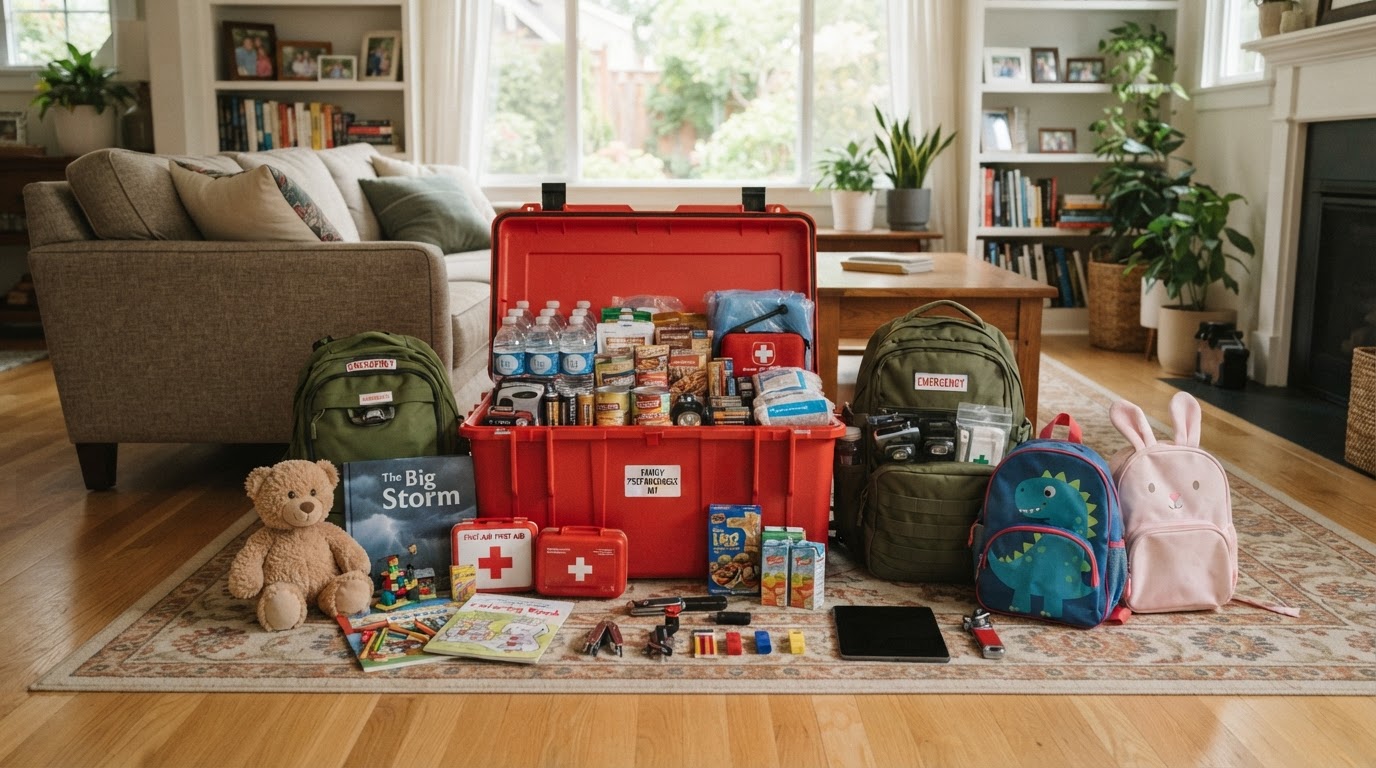
Family Kit
Plan supplies, communication, and responsibilities around the people who actually live in your home — not a generic shopping list.
For Households with children, infants, teens, caregivers, and multigenerational needs.
Explore →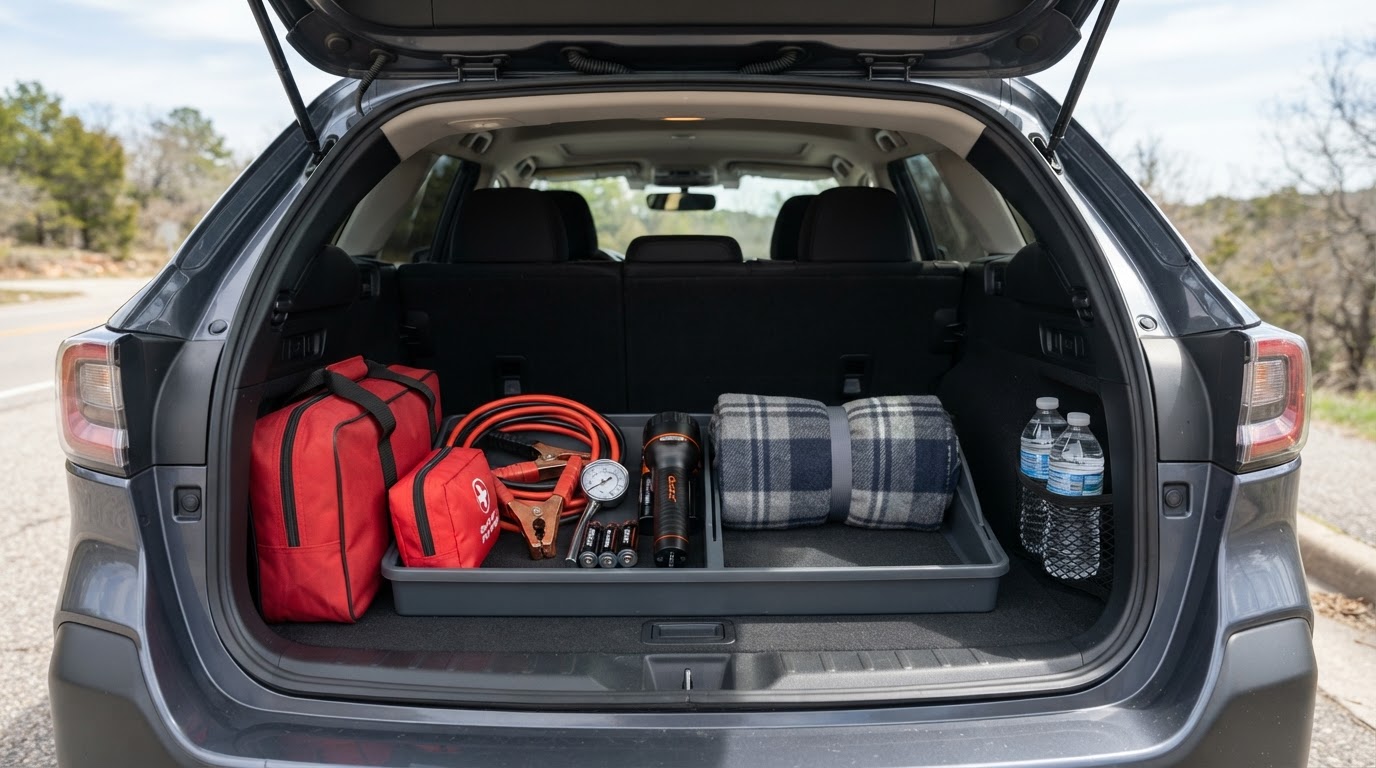
Vehicle Kit
Prepare for realistic roadside problems with supplies suited to the vehicle, your passengers, and the climate you drive in.
For Commuters, families, rideshare drivers, road-trip travelers, and people driving in isolated areas.
Explore →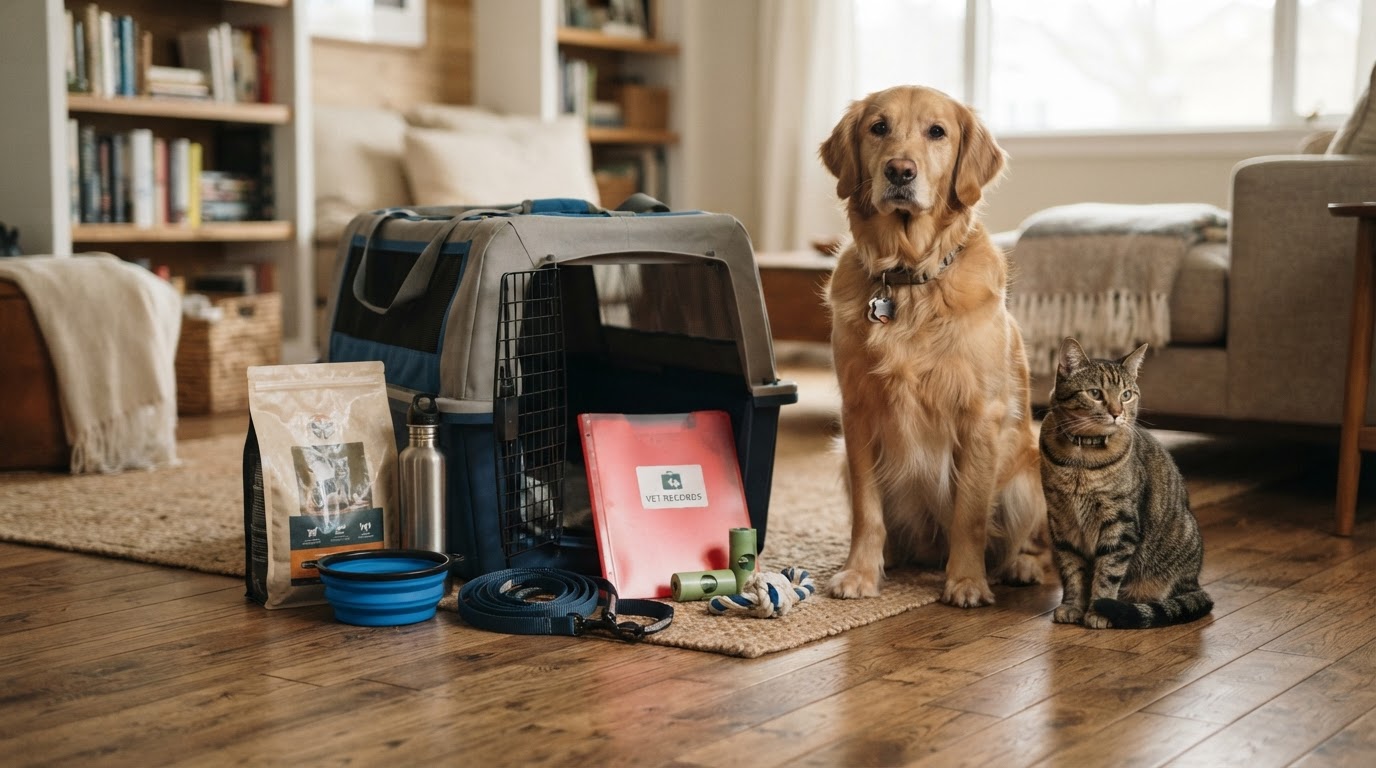
Pet Kit
Prepare food, transport, records, comfort, and care arrangements before normal routines are interrupted — one plan for each animal.
For Pet owners, particularly dog and cat households.
Explore →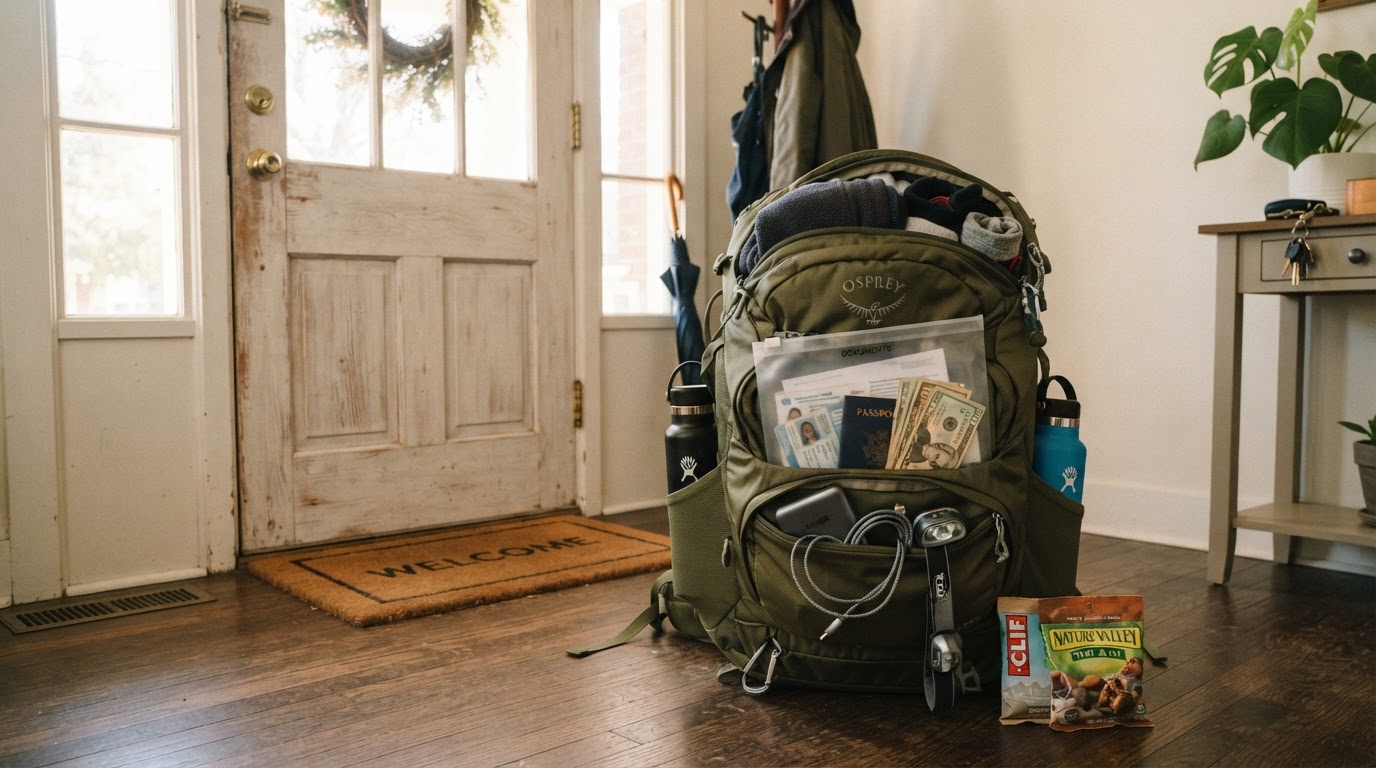
Evacuation Kit
Make the most important belongings, documents, communication tools, and personal supplies easier to gather and carry — in minutes, not hours.
For Households preparing to leave quickly because of local emergencies.
Explore →Compare kits side by side
A quick overview to find the right starting point.
| Kit | Best for | Primary storage | Main challenge | Companion kit | |
|---|---|---|---|---|---|
| Apartment Kit | Renters, condo residents, studio apartments, and people with limited storage. | One accessible location — a coat-closet shelf, a labeled bin under the bed, or a cabinet near the entry. | Power outages, water advisories, brief evacuations, and heating or cooling failures in a multi-unit building | Evacuation Kit | Explore → |
| Family Kit | Households with children, infants, teens, caregivers, and multigenerational needs. | A central, accessible location known to every capable household member, plus a separate grab-and-go bag near an exit. | Overnight outages, short-notice evacuations, and disruptions that separate family members during the day | Evacuation Kit | Explore → |
| Vehicle Kit | Commuters, families, rideshare drivers, road-trip travelers, and people driving in isolated areas. | Secured in the vehicle's cargo area or under a seat — never loose where it could become a projectile. | Flat tires, dead batteries, empty tanks, winter stranding, long traffic delays, and breakdowns far from help | Evacuation Kit | Explore → |
| Pet Kit | Pet owners, particularly dog and cat households. | Near your own go-bag, in a grab-and-go container sized to your pet. | Evacuations, shelter-in-place, owner illness or travel that prevents returning home, and disruptions to vet access | Evacuation Kit | Explore → |
| Evacuation Kit | Households preparing to leave quickly because of local emergencies. | Near an exit, in a backpack or bin with a handle that you can grab with one hand. | Immediate evacuations, evacuations with a few hours' notice, and evacuations without a private vehicle | Apartment Kit | Explore → |
Which kit should I start with?
Answer a few questions — several kits may apply.
How these kits work together
No single kit covers every situation. Most households benefit from a home kit (apartment or family) and a separate grab-and-go bag for evacuations. A vehicle kit stays in your car; a pet kit complements whichever kit your animal needs. The same physical item cannot be counted as available in two places at once — if you want a flashlight in both your home kit and your go-bag, you need two flashlights or a reliable plan to transfer it before you leave. Start with the kit that matches your most likely disruption, then add companions as your plan grows.
Some links on this page are affiliate links. We may earn a commission if you buy through them, at no extra cost to you.