- How much food and water should I store for my pet?
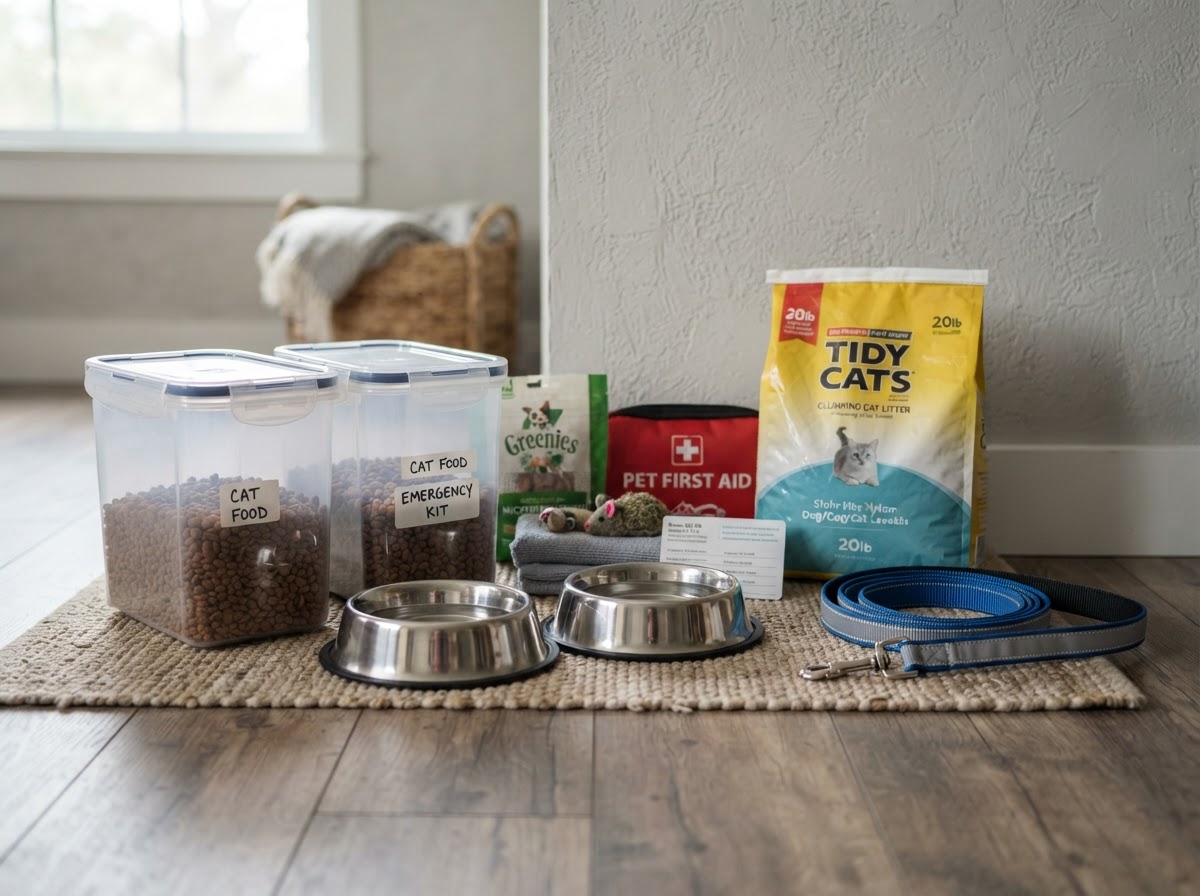
- At least three days of your pet's regular food, calculated from their actual daily feeding amount — not a generic estimate. Add water beyond your household supply. A collapsible bowl works for both food and water. Rotate food and water every six months.
- What records do I need for my pet during an evacuation?
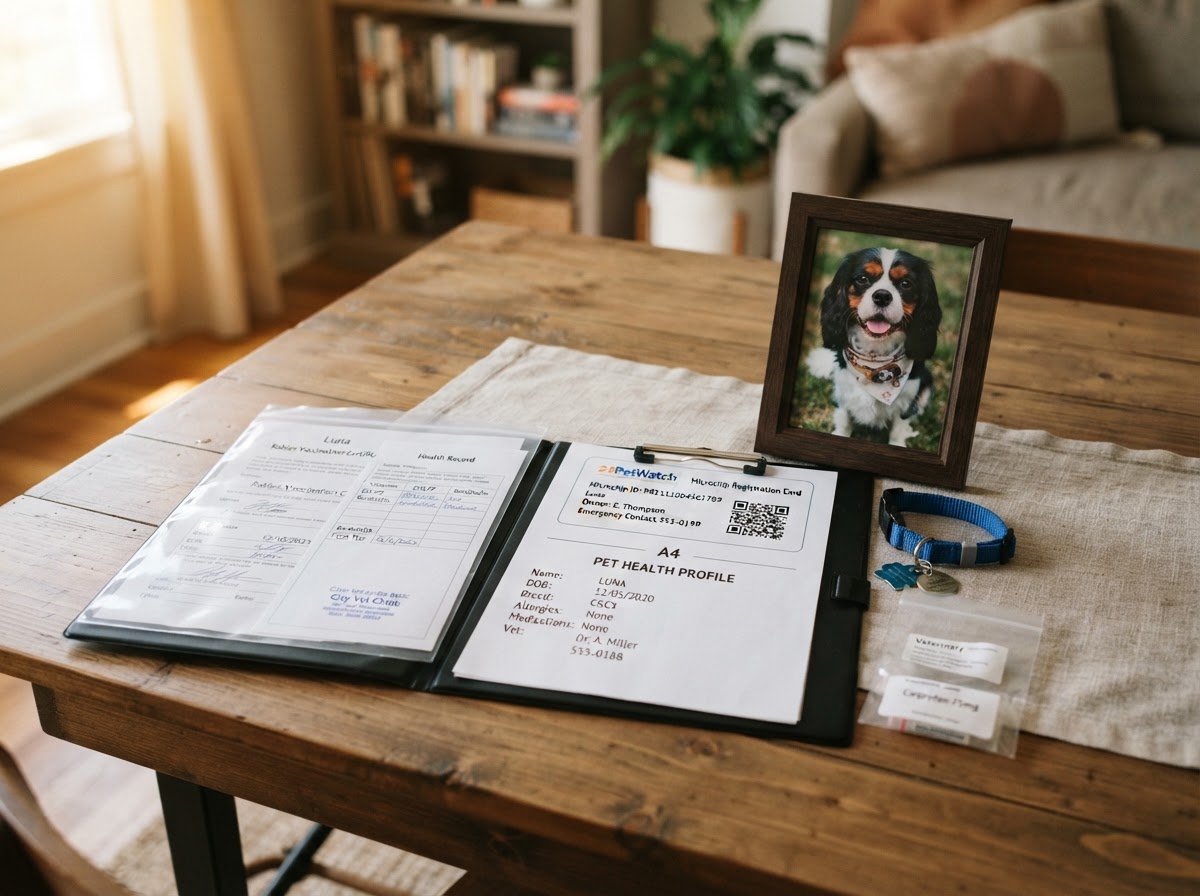
- Vaccination records, any medical history, a recent photo of you with your pet, and your vet's contact information — all in a waterproof bag. Many shelters and hotels will not accept a pet without proof of vaccination. The photo proves ownership if you are separated.
- How do I handle my pet's medication during an emergency?
- Keep a seven-day supply in the kit and rotate it so it does not expire. Keep copies of prescriptions. Do not improvise doses or treatments — this kit does not provide veterinary advice. Talk to your vet about a continuity plan for chronic conditions.
- Will emergency shelters accept my pet?
- Not all shelters accept pets, and policies vary. Identify pet-friendly shelters and lodging before you need them. Service animals have different protections than pets — check current authoritative guidance. Have a backup plan: a friend, relative, or boarding facility.
- How do I get my pet into a carrier if they hate it?
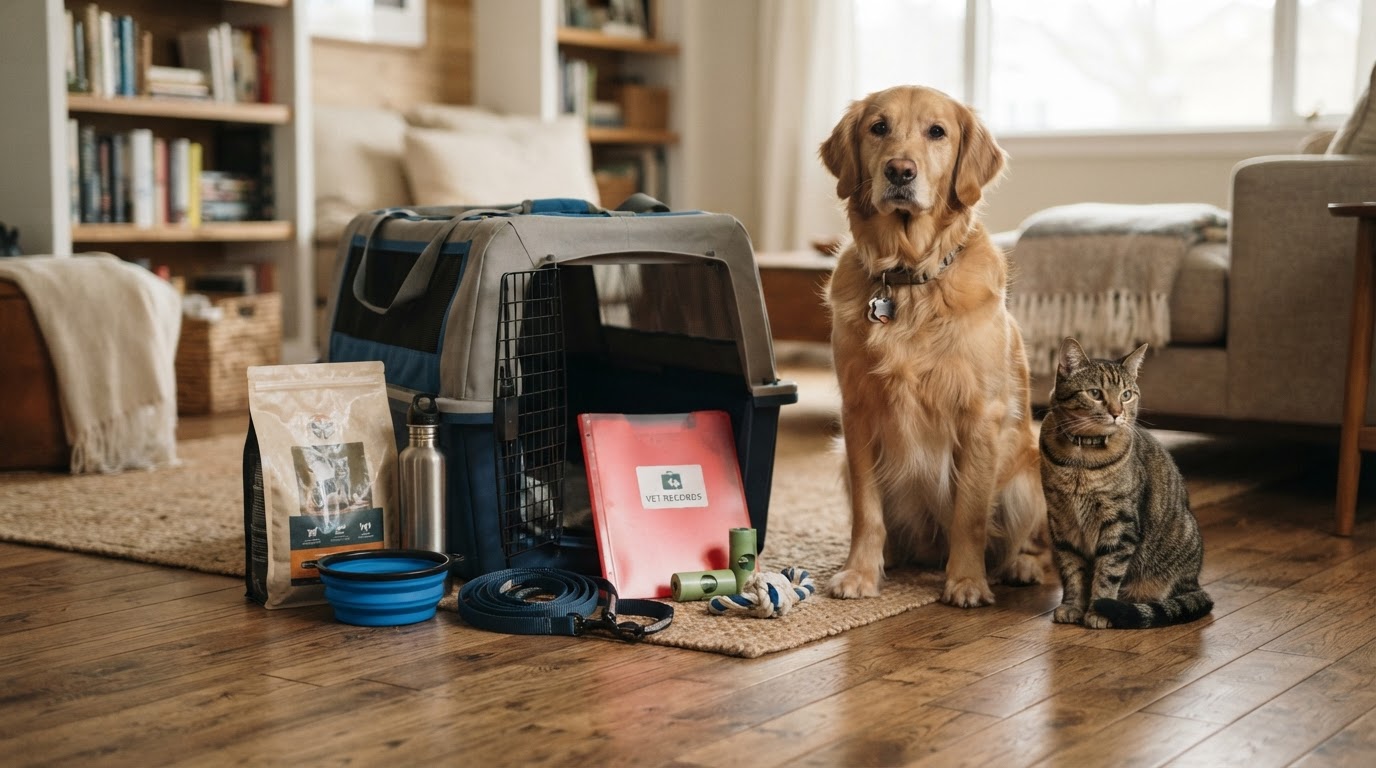
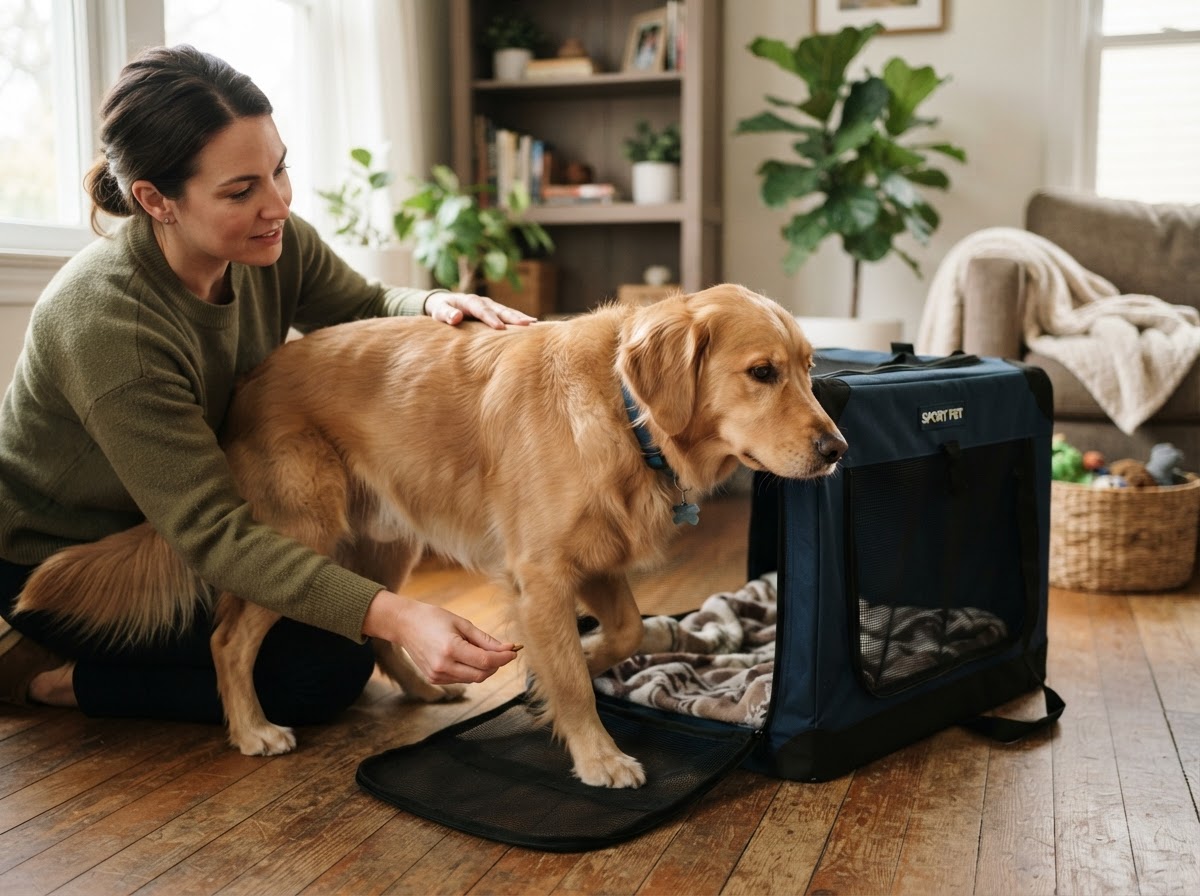
- Practice before an emergency. Make carrier time positive with treats and short sessions. Feed meals near or in the carrier. A panicked animal in a strange carrier during an evacuation is dangerous — practice prevents that.
- What if I cannot take my pet when I evacuate?
- This should be a last resort. If you absolutely cannot bring them, leave them in a secure interior room with food, water, and a sign on the door for rescuers noting the pet inside. Document their location and alert authorities immediately. Never leave pets behind if you can bring them.
- Who cares for my pet if I am injured or stranded?
- Identify a backup caregiver with a key who knows your pet's routine. Give them a written care sheet with feeding, medication, vet contact, and quirks. Keep a copy in the kit. This is one of the most overlooked and most-needed parts of pet preparedness.
- How do I plan for a bird, reptile, or small mammal?
- Do not apply dog-and-cat assumptions. These species have very different needs — temperature control, specific foods, and stress handling. Get species-specific guidance from your veterinarian before an emergency. Some species are better served by a shelter-in-place plan with backup power.
- How do I make sure I can be reunited with a lost pet?
- Ensure a current ID tag on the collar, an extra collar and tag in the kit, and a registered microchip with current contact information. Keep a recent photo of you with your pet. Note distinguishing marks and behavioral quirks that help others identify them.
- How often should I update the pet kit?
- Every six months, rotate food, water, and medication. Annually, update vaccination records, the photo, ID tags, and microchip registration. Review the kit whenever your pet's health changes or they outgrow their carrier.