
Scenario guide
Prepare for a Flood
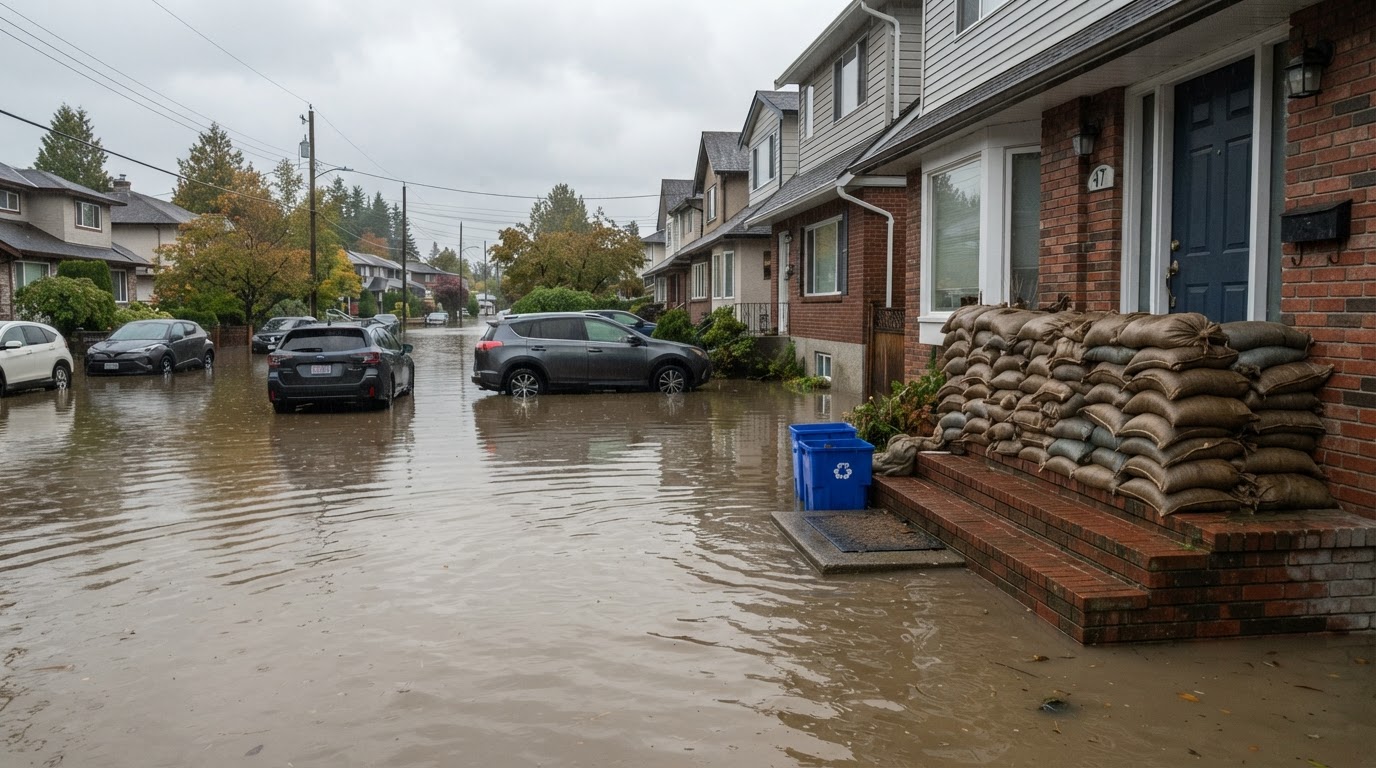
Flooding is the most common and costly disaster in the country, and it does not require a hurricane. The single rule that saves the most lives is simple: turn around, do not drown. More than half of flood deaths happen in vehicles, often in just two feet of moving water.
What Matters First
Know your flood risk and evacuation routes
Search your address on the FEMA Flood Map Service Center. About one in four flood claims come from outside high-risk areas.
Buy flood insurance before the waiting period matters
A separate flood policy has a 30-day waiting period. Waiting until a storm is forecast is too late.
Never drive through flooded roads
Six inches of moving water can knock you down; two feet can float a car. Do not drive around barricades.
Your Flood Checklist
Before It Happens
- Flood zone known and evacuation routes identified
- Flood insurance policy in force; belongings inventoried with photos
- Sump pump with battery backup; check valves on plumbing
- Important documents in a waterproof container
Useful for this scenario
Waterproof Document Storage
Keep insurance, deeds, and identification protected and portable.
During the Disruption
- Move valuables and documents to a higher floor
- Fill the gas tank and charge phones; pack a go-bag
- If officials order evacuation, leave immediately, do not stay for belongings
Afterward
- Do not return until officials say it is safe; treat every surface as hazardous
- Turn off electricity at the main breaker if the home was flooded
- Photograph damage and throw out food that touched flood water
Useful Gear for This Scenario
Waterproof document storage
A waterproof container for insurance, deeds, and identification lets you prove who you are and what you own when you file a claim.
Evacuation bag
A go-bag with documents, medication, and cash lets you leave in minutes when water is rising.
First aid kit
Flood water carries sewage and sharp debris. Keep a kit and protective gloves and boots for cleanup.
Useful for this scenario
Evacuation Bag
A packed go-bag with documents, medication, and essentials.
Make the Plan Fit Your Household
If you live in a flood-prone area, keep sandbags or barriers on hand during the season, because they sell out when the river is cresting. Apartment dwellers on upper floors should still keep documents and a go-bag ready. If you are trapped, go to the highest floor, not an attic you cannot escape.
Useful for this scenario
First Aid Kit
Choose a practical kit you can organize, maintain, and use.