
Household preparedness
Plan the basics of a safer home
Sturdy locks, working alarms, and a few everyday habits reduce the risks you can actually control at home.
Start with These Three Steps
Secure the obvious entries.
Check locks on doors and windows, and fix the ones that do not latch so the basics actually work.
Keep alarms working.
Test smoke and carbon-monoxide alarms on a schedule and replace batteries before they die.
Build a simple routine.
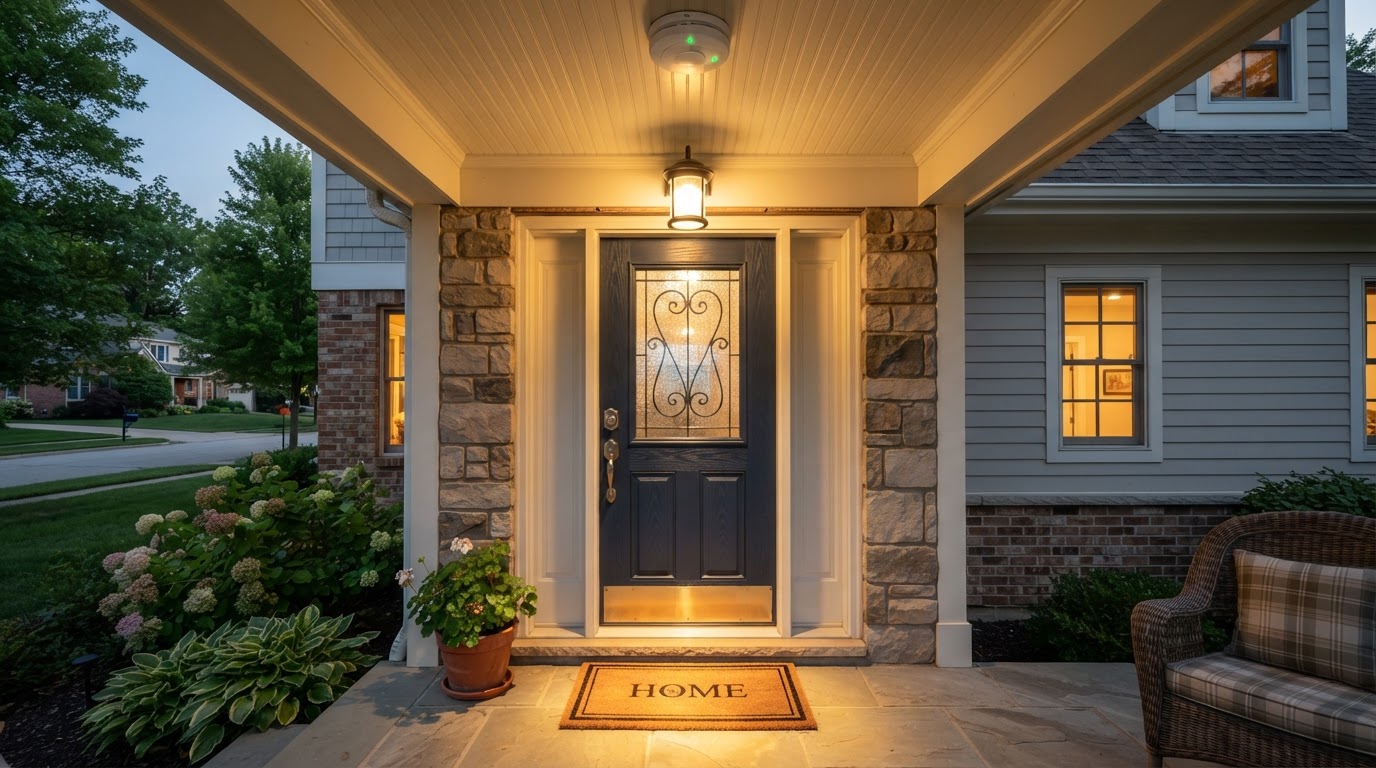
Lock up, keep a porch light on a timer, and trim sightlines so the house looks lived in.
Your Home & Personal Safety Checklist
- Door and window locks tested
- Smoke and CO alarms on every level
- A porch light or motion light on a timer
- Sightlines to entries kept clear
- Spare keys held by a trusted person
- An emergency contact by the phone
What to Look For
Real locks.
A lock that actually latches and a solid strike plate matter more than features you never use.
Lighting.
Motion or timer lighting makes a home look occupied and costs almost nothing.
Good habits.
The routine you actually follow is the one that works.
Keep It Ready
Walk the perimeter once a season and fix anything broken. Test alarms monthly, replace batteries on a schedule, and keep a current emergency contact list by the phone and in your kit.
Build Your Household Plan
Add this category to your plan, then work through the essentials at a pace that fits your household.
Explore the 10 EssentialsOther Plan the Basics guides
Food
Build a pantry from foods you already eat, rotate it so nothing expires, and know how to cook when the power is out.
Water
One gallon per person per day is the starting line. Storage, rotation, and a treatment method are what make it usable.
First Aid
A household first-aid kit plus basic training handles the cuts, burns, and sprains that show up in every disruption.
Hygiene & Sanitation
Handwashing, a toilet alternative, and a waste plan are the unglamorous prep that prevents the real secondary disaster: illness.
Shelter & Warmth
Insulate one room, layer up, and never heat with something meant for the outdoors. Hypothermia and carbon monoxide are the real threats.
Backup Power
A phone charger is one job; a fridge or a medical device is another. Match the power source to the real need and know its limits.